Best Festival Check-In Apps for 2026: Phones, Scanners and RFID
Ratings at a glance
- Eventist5 out of 5
QR scanning from any phone with no hardware, point-of-sale at the same gate, and staff roles that keep volunteers scan-only, on a flat CAD fee per ticket. No RFID or cashless, so it is a fit under about 20,000 attendees.
- Ticket Fairy (Entry Fairy)4 out of 5
The strongest phone app for multi-zone re-entry, with in/out timestamps and zone permissions, but built for music promoters and priced as a buyer-paid all-in fee of 10% on $20 to $99.99 tickets.
- Showpass app4 out of 5
Canadian ticketing with Zebra and Bluetooth scanner support and documented offline mode, though offline is a backup and payouts land after the event.
- TicketSpice3 out of 5
Quick local-database scanning that survives poor signal, but iOS only, USD pricing and a recommendation to close sales before going offline.
- Humanitix for Hosts3 out of 5
Simple offline scanning that volunteers can share, on a charity-driven percentage fee; ticketing and check-in only, no festival operations.
- Ticket Tailor Check-in4 out of 5
A free, dependable offline scanner with multi-device sync, external scanner support and per-ticket-type restrictions, behind a flat $1.00 pay-as-you-go fee ($0.82 down to $0.40 on prepaid credits). No POS or scheduling.
- Eventbrite Organizer3 out of 5
Familiar camera scanning with offline fallback and shared live data, but tied to percentage fees that grow with every weekend pass.
- Tixr Door3 out of 5
Enterprise access control with third-party barcode support and facial recognition, sized and priced for large festivals rather than community events.
- Intellitix4 out of 5
Montreal-built RFID access and cashless for festivals from 5,000 up, the right tool when cashless revenue justifies wristband fulfilment and reader hardware.
A festival check-in app is the software your gate crew runs on a phone, tablet or handheld scanner to validate tickets and let people in. For most Canadian festivals in 2026, the right answer is the app that ships with your ticketing platform, as long as it keeps scanning when the cell signal drops, handles re-entry across multiple days, and gives a volunteer scan-only access without handing over your sales dashboard. Below, nine options across three categories: phone-scanner apps, hardware scanner setups and RFID wristband systems.
Top picks at a glance
- Best overall for small to mid-size festivals: Eventist, because QR scanning works from any phone, point-of-sale runs at the same gate, and it is Canadian with flat CAD pricing
- Best for multi-zone re-entry tracking: Ticket Fairy's Entry Fairy, with in/out timestamps and zone-level permissions
- Best for stadium-scale RFID and cashless: Intellitix, the Montreal-based wristband system behind some of the largest festivals in North America
Key takeaways
- Phone-camera QR scanning is the default under about 20,000 attendees; it costs nothing beyond the phones you own and clears roughly 5 to 8 people per minute per lane
- Hardware scanners paired to a phone roughly double per-lane throughput and survive rain and glare better, at the cost of devices and one more thing to charge
- RFID wristbands are the fastest gate and unlock cashless, but only make sense when fulfilment, hardware and a managed deployment fit a six-figure production budget
- Offline mode is not optional at a field site; test what happens when two offline devices scan the same ticket, because that is where duplicates slip in
- Multi-day re-entry, wristband exchange and staff permissions are decided by your ticketing platform, not by the festival check-in app, so pick the platform first
Phone apps vs hardware scanners vs RFID wristbands
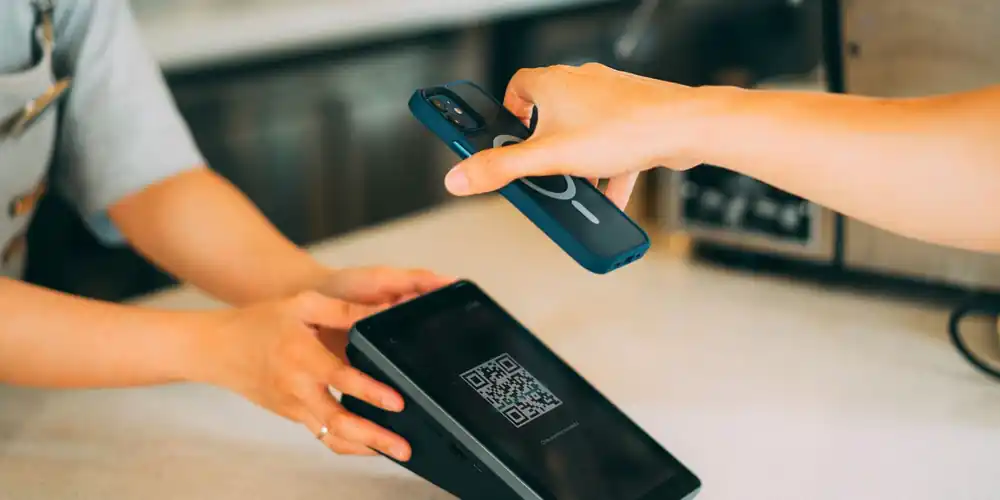
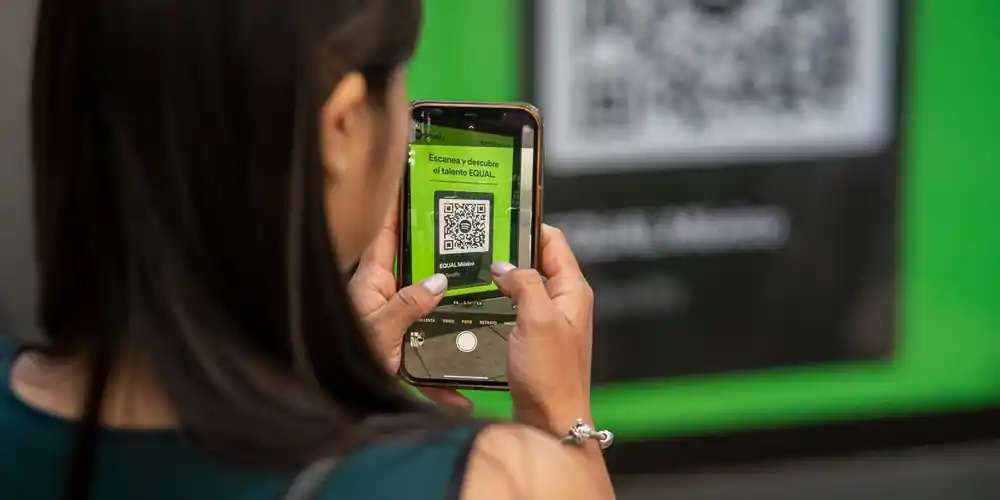
Phone-scanner apps read the QR code on a mobile or printed ticket with the phone camera. Setup is a login and a download. A trained volunteer clears 5 to 8 scans a minute, the figure the event check-in operations playbook uses for lane math.
Hardware scanners are a Bluetooth handheld paired to the same app, or a dedicated device such as the Zebra units Showpass supports. The trigger and rugged case matter on day three when it is raining and the volunteer's phone is at 4 percent. Expect roughly 8 to 12 scans per minute per lane, plus device cost and someone who owns charging.
RFID wristbands replace the code with a chip. The attendee taps a reader, and the same wristband can hold a cashless balance for bars and vendors. Throughput is the best of the three and re-entry is automatic. The trade-off is fulfilment, reader hardware and a vendor that usually wants a managed deployment. Front Gate Tickets, a Live Nation division, runs this model for Bonnaroo and Lollapalooza; Intellitix runs it independently.
For the QR mechanics themselves, how QR code check-in works at events explains what is inside the code and why a screenshot still scans.
What to test before gate day
Offline mode
Field sites lose signal. Every app here scans offline the same way: log in online, open the event so the ticket list downloads, scan against the local copy, sync when the connection returns. The failure modes are shared too: tickets sold after the download are not on the device, and two offline devices will both accept the same ticket. Showpass documents offline as a backup rather than a primary mode, and TicketSpice recommends closing sales once devices have downloaded the list. Run one device per lane on a hotspot and keep offline as the fallback.
Throughput per lane
Throughput is lanes multiplied by scans per minute. Ten thousand people over two hours is roughly 85 a minute: 12 to 17 phone lanes or 8 to 10 hardware lanes. The festival operations guide covers gate layout; no festival gate scanning software fixes an under-staffed gate.
Multi-day re-entry
A weekend pass has to work Friday through Sunday, usually several times a day. Ask whether the app records in and out (Ticket Fairy does, with timestamps), allows unlimited scans on a pass type, or expects you to hand out a wristband on first scan and stop scanning. All three work; the wrong one is the one your crew has not rehearsed.
Wristband exchange
Most QR-based festivals scan once at an exchange tent and hand over a wristband for the weekend, which makes the first scan the bottleneck: put your fastest lanes and your point-of-sale there. RFID folds the exchange into fulfilment, faster on the day and slower in the weeks before.
Staff permissions
Volunteers should be able to scan and nothing else. Look for a scan-only role, per-device keys, or the ability to restrict a device to certain ticket types or zones (Ticket Tailor and Ticket Fairy do the latter). A shared login that also shows revenue is a screenshot waiting to happen.
The 9 best festival check-in apps in 2026
Pricing and features are as of September 2026; numbers appear only where the vendor publishes them.
1. Eventist: any-phone QR scanning with point-of-sale at the same gate
Who it is for: Canadian festivals from about 500 to 20,000 attendees that want ticketing, scheduling and gate operations in one tool.
What it does well: QR code festival check-in runs from any phone with no scanner hardware, and door sales run through the built-in point-of-sale so the exchange tent can sell, scan and hand out a wristband in one stop. Staff and volunteer roles control who can scan, who can sell and who sees the live check-in dashboard, and the read-only run-of-show portal keeps crew leads informed without giving them the admin. The festival case study shows the same setup carrying multi-day, multi-stage schedules with GA and VIP tickets and no separate ticketing vendor.
What to watch: No RFID or cashless wristbands and no resale marketplace. Best fit is small to mid-size festivals rather than stadium-scale events.
Pricing model: Flat fee per ticket, never a percentage. General admission is $0.85 CAD per ticket; the festival package with scheduling, maps, vendor and volunteer tools and staff portals is $4.99 CAD per ticket, with bulk pricing from $2.99. Free events are free, and processing goes through Stripe or Square at the processor's own rate.
2. Ticket Fairy (Entry Fairy): the best re-entry and zone tracking on a phone
Who it is for: Multi-day music festivals with VIP areas, backstage and camping zones.
What it does well: Entry Fairy runs on iOS and Android, stores ticket data on each device ahead of time, and tracks in and out with timestamps, so you can see who is on site right now. Zones with different permissions are built in, and cashless integrations are available.
What to watch: Built around music events and promoters; food and community festivals pay for features they do not use.
Pricing model: A buyer-paid all-in fee of 10% on tickets between $20 and $99.99 CAD, sliding to 5% only above $2,000, with a $2 minimum under $20; processing is included and free events are free.
3. Showpass app: Canadian ticketing with Zebra hardware support
Who it is for: Festivals and venues already on Showpass, or anyone who wants a hardware-scanner option from a Canadian vendor.
What it does well: Scanning runs through the Showpass app on any phone, or a Bluetooth handheld or Zebra device for high-volume gates. On-site selling integrates with Square.
What to watch: Showpass describes offline as a backup, because offline scans do not reach other devices until sync. Payouts are processed after the event concludes, which matters for festival cash flow.
Pricing model: Percentage plus a fixed fee per ticket, tiered by plan; as of September 2026 the Essential tier is 1% + $0.59 and the Professional tier is 2.5% + $1.69, with card processing of 2.9% + $0.30 CAD per paid item on top. Free events are free.
4. TicketSpice: fast offline scanning on iPhone and iPad
Who it is for: US fairs, farms and recurring festivals running iOS devices at the gate.
What it does well: The app downloads the ticket database locally, so scans are quick regardless of signal, and queued scans sync when connectivity returns. Hardware accessories read Code128 barcodes as well as QR.
What to watch: iOS only, USD pricing, and the vendor's own guidance is to close sales before going offline so late purchases are not rejected at the gate.
Pricing model: Flat fee per ticket plus card processing.
5. Humanitix for Hosts: simple volunteer scanning with charity pricing
Who it is for: Community and non-profit festivals drawn to the profits-to-charity model.
What it does well: iOS and Android, downloads the attendee list on first open, scans offline and syncs when reconnected. Access can be shared with volunteers, and multiple devices scan the same event at once.
What to watch: Login, first load and on-site sales all need a connection. It is ticketing and check-in, not festival operations.
Pricing model: A percentage of the ticket price plus a fixed fee; its Canadian pricing page lists 2.1% + $0.99 CAD per ticket as of September 2026.
6. Ticket Tailor Check-in: budget ticketing with a competent scanner
Who it is for: Small festivals on a tight budget that need reliable scanning and nothing fancy.
What it does well: The free check-in app works online and offline, syncs across devices, supports external Bluetooth scanners, and lets you block certain ticket types from scanning on a given device, a crude but effective zone control.
What to watch: The vendor recommends a good connection at the gate so devices stay in sync. No point-of-sale, scheduling or vendor management.
Pricing model: C$1.00 per ticket pay-as-you-go, or $0.82 down to $0.40 per ticket on prepaid credits, with processing extra; above Eventist's $0.85 unless you buy credits in advance.
7. Eventbrite Organizer: familiar, free with Eventbrite tickets, and percentage-priced
Who it is for: Festivals on Eventbrite for marketplace discovery.
What it does well: Scans QR codes with the phone camera, checks in by name when a ticket will not load, keeps working from a locally stored list when the Wi-Fi drops, and syncs when it returns.
What to watch: The scanner is fine; the fee behind it is the issue for weekend passes. Eventbrite's Canadian pricing in existing comparisons is 3.5% + $1.29 per ticket, which scales with pass price.
Pricing model: Percentage plus a fixed fee per paid ticket.
8. Tixr Door: enterprise access control with facial recognition
Who it is for: Large music festivals and venues with an access-control team.
What it does well: Validates printed tickets, digital codes and third-party barcodes with the iOS camera or a laser-scanning case, works with or without Wi-Fi, and Tixr Face adds facial-recognition entry.
What to watch: iOS-centric, enterprise pricing, and more platform than a 5,000-person festival needs.
Pricing model: Custom quote.
9. Intellitix: Montreal-built RFID access and cashless for big festivals
Who it is for: Festivals from roughly 5,000 attendees up to the hundreds of thousands.
What it does well: RFID wristbands or cards act as entry credential and payment wallet, with zone control for VIP and staff, live dashboards of guest flow and spend, and integrations with existing ticketing. Self-serve and managed deployments are offered; the company has run Canadian and US festivals since 2010.
What to watch: A production commitment, not an app download. Wristbands, readers, network and on-site staff are planned months out.
Pricing model: Custom quote by deployment.
How to choose festival gate scanning software
Eight of the nine apps above only scan tickets sold on their own platform, so the festival check-in app is effectively decided when you pick where you sell. Then apply four filters:
- Under 20,000 attendees and one main gate: phone-camera QR scanning from your ticketing platform, one device per lane, hotspots at the gate.
- Multiple zones, camping or heavy re-entry: an app with in/out tracking and zone permissions, or a wristband-on-first-scan workflow with the exchange tent staffed as the real bottleneck.
- Cashless bars and sponsor activations: RFID, and a budget line for it. Do not bolt cashless onto a QR platform.
- Canadian payouts and support: flat CAD pricing and a person who answers during your gate hours. Our multi-day festival ticketing comparison covers CAD payouts and who is actually based here.
If you would rather not own gate operations at all, Eventist's optional onsite operations and connectivity services put staff and network at the gate.
Frequently Asked Questions
Does a festival check-in app work without internet?
All nine apps here scan offline once the ticket list has been downloaded while online. The risk is the same everywhere: offline devices cannot see each other's scans, so a duplicate can pass at two gates, and tickets sold after the download are rejected. Treat offline as a fallback and put a hotspot at every lane.
How many people can one scanning lane handle per hour?
A phone-camera lane with a trained volunteer clears roughly 300 to 480 people an hour, a paired hardware scanner 500 to 700, and an RFID tap lane more. Divide your peak arrival window by those figures to get the number of lanes, then add one for problem tickets.
Do I need RFID wristbands for a multi-day festival?
No. Most multi-day festivals under 20,000 attendees scan the QR pass once at an exchange tent, hand out a wristband, and rely on wristband checks for the rest of the weekend. RFID earns its cost when you want cashless payments, zone-level access data or a gate faster than a human looking at a phone.
Can I use one app to scan tickets from several ticketing platforms?
Rarely. Each vendor's app validates its own barcodes; only enterprise systems like Tixr Door and Intellitix advertise third-party barcode support. If you are consolidating from two platforms, migrate the orders into one before gate day.
What is the difference between QR code festival check-in and RFID?
QR code festival check-in reads a printed or on-screen code with a camera; it is free, works on any phone, and depends on the attendee having the ticket up. RFID reads a chip in a wristband with a dedicated reader; it is faster and supports cashless, but needs hardware and fulfilment. Festivals graduate to RFID when cashless revenue justifies the spend.
Can volunteers scan without seeing sales data?
On the better platforms, yes. Eventist assigns staff and volunteer roles so a scanner sees only scanning; Humanitix and Ticket Tailor share scanning access with volunteers; TicketSpice uses per-app keys. If the only option is your admin login, keep that device in a manager's pocket.
The fastest gate we have seen at a 10,000-person weekend was six phone lanes, two hotspots and a rehearsal the night before; the festival check-in app was the least interesting part. Everything on the festival management and ticketing page is built around that kind of gate, and if you are still choosing where to sell the tickets in the first place, the best festival ticketing software comparison is the place to start.
Ready to try it? Create a free Eventist account to set up your festival, or learn more about festival management and ticketing on Eventist.
Tags
Ready to simplify your events?
Join hundreds of organizers, studios, and festival directors who trust Eventist to run their events.