8 Tools Your Ticketing Platform Should Replace (and What They Cost You Separately in 2026)
Ticketing is the cheapest part of running an event on software, and the part everyone compares. The expensive part is everything a ticketing platform does not do: the schedule, the site map, the staff roster, the contracts, the emails, the vendor applications, the scanners and the door sales. Those arrive as five or six separate subscriptions, each modest, together larger than the ticketing fee they sit beside. This is the list of the eight tools a modern event platform should replace, what each costs on its own as of September 2026, and the arithmetic for deciding whether an all-in-one event platform is genuinely cheaper for your event. It is the companion to the value per dollar comparison, which prices the ticketing fee itself.
Key takeaways
- The ticketing fee is usually the smallest line in an event's software budget once the stack is counted honestly.
- Per-seat subscriptions (e-sign, staff scheduling, email) scale with your team and your list, not with your event, so they cost the same in the quiet months.
- Eight categories cover almost every event: scheduling, site maps, staff rostering, contracts and waivers, email and SMS marketing, vendor and exhibitor management, check-in, and point of sale.
- Replacing five of the eight typically saves more than switching ticketing platforms does.
- The test is simple: add your annual subscription total to your ticketing fees, then divide by tickets sold. That is your real software cost per ticket.
The 8 tools, and what they cost separately
1. The schedule: a multi-stage, multi-track agenda
What it does: builds the lineup or agenda by stage and room, checks for conflicts, publishes a phone-friendly schedule your attendees can browse, and tells performers and speakers when they are on.
What it costs alone: dedicated conference and festival scheduling tools price by attendee and by event; Sched, one of the best known, does not publish figures on its pricing page and quotes instead, with plans built in attendee blocks. The common alternative is a spreadsheet, which costs nothing and produces the conflicts.
What it should cost you: nothing extra. If your ticketing platform knows who is performing and when, the schedule is the same data as the ticket. Eventist builds multi-stage and multi-track schedules with conflict checks and an AI builder inside the festival and conference package.
2. The site map: where everything is and who is standing there
What it does: an interactive map of stages, food, vendors, washrooms, first aid, entrances and, for your crew, the power runs and cable routes the public should not see.
What it costs alone: anything from a designer drawing a static PDF (a few hundred dollars each year, and out of date the moment a vendor moves) to specialist mapping tools sold on annual plans.
What it should cost you: nothing extra, and it should be live. On Eventist the map carries public markers for attendees and hidden operational markers for staff, vendor booths appear on it as they are sold, and markers link to tasks that can be ticked off on the day.
3. Staff and volunteer rostering
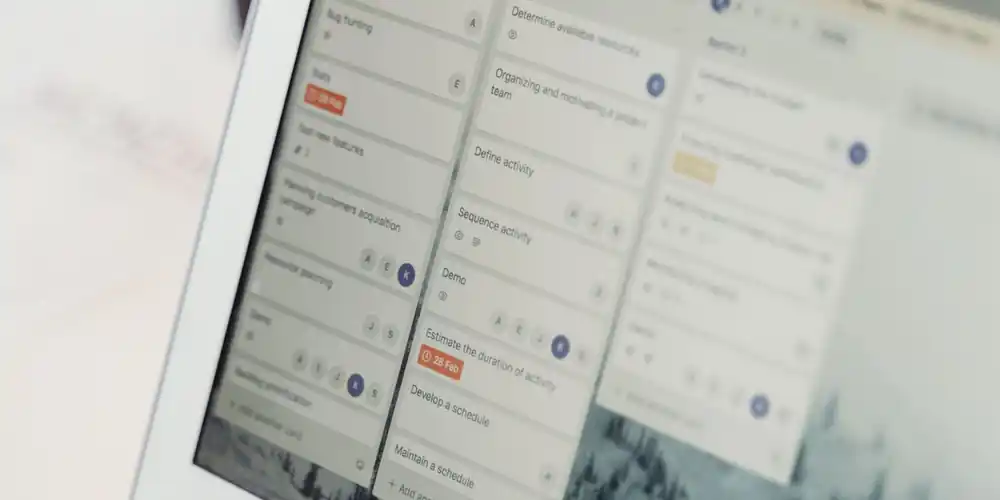
What it does: shifts, roles, availability, reminders and a schedule each person can see on their phone.
What it costs alone: When I Work, a common choice, publishes $2.50 per user per month for Essentials, $5 for Pro and $8 for Premium as of September 2026, with time tracking as an add-on. For eighty volunteers and staff that is $200 to $640 a month while the event exists, and you are usually paying in the quiet months too.
What it should cost you: nothing extra. Your crew are already in the system as contributors; giving them a role, a shift and a dashboard is the same record.
4. Contracts and waivers with real signatures
What it does: performer and vendor agreements, staff contracts and attendee waivers, signed electronically and stored against the right person.
What it costs alone: Docusign's own plans page as of September 2026 lists Personal at CA$13 per user per month with five envelopes a month, Standard Unlimited at CA$33 per user per month in the first year (CA$40 after), and Business Pro Unlimited at CA$53 in the first year (CA$65 after). A festival with three people sending contracts is roughly CA$1,200 a year before anyone signs anything.
What it should cost you: nothing extra, and it should be attached to the person. Eventist e-signs per-role contributor contracts from the contributor's own dashboard, vendor agreements inside the booth checkout, and attendee waivers at the ticket checkout.
5. Email and SMS marketing
What it does: announcements, reminders, cart recovery, post-event follow-up.
What it costs alone: Mailchimp and its peers price by contact tier, so the bill rises as your list grows, from free at a few hundred contacts to hundreds of dollars a month at scale; the exact figure depends on the country and tier shown on their pricing page. SMS is extra, usually per message.
What it should cost you: the SMS carrier cost and nothing more. Your buyers are already in the platform, and the most valuable email you can send (the abandoned cart recovery) can only be sent by the system that saw the cart. Eventist includes email and SMS cart recovery, reminders and campaigns to your own attendee list.
6. Vendor and exhibitor management
What it does: applications, jurying, booth allocation, agreements, invoices and payment.
What it costs alone: specialist tools such as Eventeny offer a free tier funded by transaction fees with paid plans above it; the common alternative is a form, a spreadsheet, a PDF contract and e-transfers, which is free and costs you a week.
What it should cost you: nothing extra. A booth is a ticket with a footprint: Eventist sells booths through the same checkout, collects the signed agreement and the payment in the same step, and places the vendor on the map.
7. Check-in
What it does: scans tickets at the gate, fast, offline, across multiple entrances, with a live count.
What it costs alone: rented barcode hardware runs a few hundred dollars a day per unit in many markets, and some ticketing platforms charge per scanner or per device.
What it should cost you: nothing extra, on any phone your volunteers already carry. Eventist scanning works offline from a cached list across multiple gates and syncs when the signal returns.
8. Point of sale for door and on-site sales
What it does: sells tickets, merchandise and add-ons at the door by card and tap, into the same inventory and the same report.
What it costs alone: a separate POS subscription plus its own card rate, and worse, a separate list of who is in the building.
What it should cost you: nothing extra. Eventist includes a point of sale that runs on a phone and writes to the same ticket list and the same sales report as online orders.
The arithmetic: what the stack actually costs
A mid-sized festival selling 2,000 tickets at $75, with a crew of 80 and a list of 10,000:
| Line | Separately | On an all-in-one platform |
|---|---|---|
| Ticketing fee | $2,000 (a $1.00 flat-fee checkout) | $9,980 (Eventist festival package at $4.99) |
| Scheduling tool | Quoted, commonly several hundred to a few thousand a year | Included |
| Site map | A few hundred for a static design, or a specialist subscription | Included |
| Staff scheduling (80 people, 4 months) | About $800 to $1,600 at $2.50 to $5 per user per month | Included |
| E-signature (3 senders, annual) | About CA$1,200 at Standard Unlimited rates | Included |
| Email marketing (10,000 contacts) | Hundreds per month at scale, varies by provider | Included |
| Vendor management | Free tier with transaction fees, or a spreadsheet and a week of admin | Included |
| Check-in hardware | Rented units per day, or included on some platforms | Included |
| Point of sale | Separate subscription and card rate | Included |
The ticketing line is cheaper on the left. The column is not. And the right-hand column has one login, one attendee record, one report and one support number, which is the part that does not show up in any spreadsheet until the week of the event.
This is not an argument that every event needs a package. A single-night show with no vendors, no schedule and no crew should buy the cheapest flat-fee checkout it can find and stop there. It is an argument that the comparison has to include the whole stack, because the stack is where the money goes.
Work out your own number
1. List every piece of software your event touched last year, including the ones on someone else's credit card.
2. Write down the annual cost of each, including the months you did not use it.
3. Add your ticketing fees for the year.
4. Divide by tickets sold. That is your true software cost per ticket.
5. Now price the same event on a platform that includes the categories you actually use, and compare the two numbers.
Most organizers who do this find the ticketing fee was 20 to 40 percent of their software spend, and that the tools they forgot about were the rest.
Frequently Asked Questions
What should a ticketing platform include besides ticketing?
For anything larger than a single-night show: scheduling with conflict checks, an interactive site map, staff and volunteer rostering, e-signed contracts and waivers, email and SMS marketing including cart recovery, vendor and exhibitor booths, offline check-in, and a point of sale for door sales. If those live in other tools, you are paying twice and reconciling by hand.
Is an all-in-one event platform cheaper than separate tools?
Usually, once your event has a schedule, a site, vendors or a crew. A $4.99 per ticket package that replaces a scheduling tool, a staff scheduler, an e-sign subscription, an email platform and rented scanners is commonly cheaper in total than a $1.00 checkout plus those five bills, and always cheaper in hours. For a simple event with none of those, the cheap checkout wins.
How much does event software cost per year?
It depends on what you count. Ticketing fees for a 2,000-ticket festival at $75 range from about $1,700 to $7,840 as of September 2026 depending on the platform, and the supporting stack (scheduling, staff, e-sign, email, POS) commonly adds a few thousand more. Add both and divide by tickets sold to get your real cost per ticket.
Do I need a separate app for my festival schedule?
Not if your ticketing platform builds the schedule, because the performers, stages and times are already in it. A separate schedule app means maintaining the same lineup in two places, which is how a stage change reaches the audience an hour late.
What is the most overlooked cost in event software?
Per-user subscriptions for staff scheduling and e-signature, which scale with your crew and keep charging in the months between events, and the cost of re-acquiring an audience when the ticketing platform keeps the attendee list.
Can one platform really run ticketing, scheduling and staff?
Yes, and that is the category shift of the past few years: the ticket, the schedule, the map, the crew and the gate are the same event data. Eventist was built that way, which is why its festival and conference package is priced per ticket rather than per tool; the state of event ticketing in Canada 2026 covers the wider trend.
Count the whole stack before you compare ticketing fees. The platform that looks a dollar more expensive per ticket is often several thousand dollars cheaper per event, and one login instead of six. The Eventist festivals page shows what the package includes, and the pricing page has the per-ticket arithmetic.
Tags
Ready to simplify your events?
Join hundreds of organizers, studios, and festival directors who trust Eventist to run their events.