Best Event Check-In Apps (2026): 8 QR Scanning Apps Compared
Ratings at a glance
- Eventist5 out of 5
Any-phone QR scanning, point-of-sale on the same device, staff roles and a live check-in dashboard for a flat CAD fee per ticket; web portal for attendees and no RFID.
- Eventbrite Organizer4 out of 5
The most familiar scanner, with door sales, real-time multi-device sync and offline check-in, tied to a percentage fee on every ticket.
- Showpass4 out of 5
Canadian app with Zebra and Bluetooth hardware support, Square on-site sales and a documented offline mode that the vendor itself calls a backup.
- Humanitix for Hosts3 out of 5
Simple volunteer-friendly scanning with offline support and shared access, but login, first load and sales need signal and there is no operations layer.
- Ticket Tailor Check-in4 out of 5
Free, offline-capable scanner with seven-second sync, Bluetooth scanner support and per-device ticket-type limits; no door sales in the app.
- Luma3 out of 5
Express-mode scanning with scan-only staff and wallet passes, but host-side offline scanning is not documented and the check-in manager role sits on the paid plan.
- Cvent OnArrival4 out of 5
Enterprise kiosks, on-demand badges, session capacity and lead capture, available only as part of a Cvent licence by quote.
- Whova3 out of 5
App-first check-in with kiosks, badges and session self-scanning for conferences already on Whova; offline mode not documented.
The best event check-in app for most organizers in 2026 is the one that ships with your ticketing platform, and among those Eventist is the strongest all-round pick for small to mid-size events because it scans from any phone camera, sells at the door on the same device and shows the live count on a dashboard, for a flat CAD fee per ticket. Eventbrite Organizer is the most familiar, Ticket Tailor's is the best free scanner for a plain checkout, and Cvent OnArrival and Whova are the answer for badge printing and session tracking at a conference. Below, eight apps compared on scanning, offline mode, multi-device sync, door sales and throughput.
Key takeaways
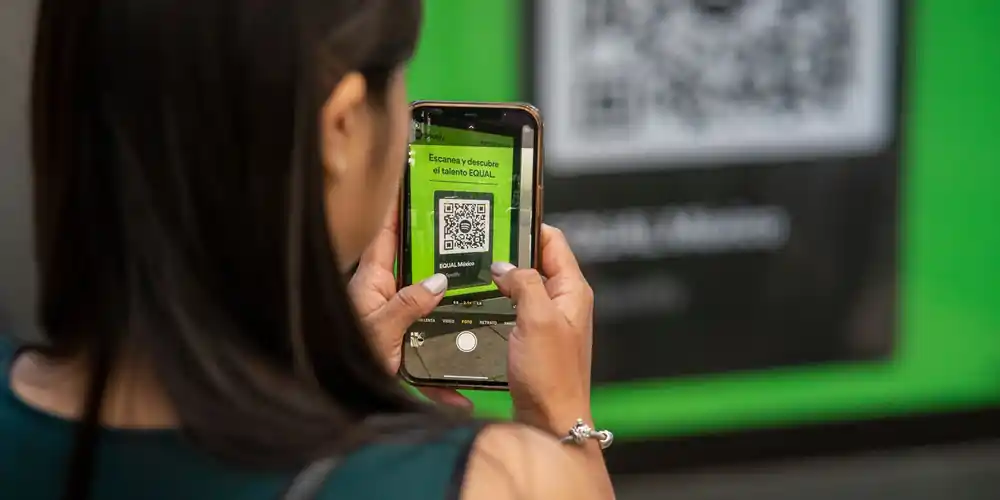
- Phone-camera QR code check-in clears roughly five to eight people per minute per lane, enough for almost any event under 5,000 attendees without hardware.
- Offline scanning is documented on some apps and a silent gap on others, and every vendor that documents it warns that two offline devices will both accept the same ticket until they sync.
- Door sales and check-in belong on the same device, because the person who buys at the door needs to be scanned ten seconds later.
- Badge printing, kiosks and session check-in are conference features; a concert, gala or community event pays for them without using them.
- An event check-in app is only as good as the staff roles behind it: volunteers should be able to scan and nothing else.
Top picks at a glance
- Best overall for small to mid-size events: Eventist. Any-phone QR scanning, point-of-sale on the same device, staff roles and a live check-in dashboard, with flat CAD pricing.
- Best for conferences with badges and sessions: Cvent OnArrival, with Whova as the app-first alternative.
- Best free scanner for a plain checkout: Ticket Tailor Check-in, with offline use, seven-second sync and Bluetooth scanner support.
- Most familiar to volunteers: Eventbrite Organizer, because half your crew has used it.
How we compared event check-in apps
- Scanning: phone camera on iOS and Android, name search as the fallback, hardware scanner support.
- Offline mode: whether the vendor documents scanning without signal.
- Multi-device sync: how fast a check-in on one phone reaches another.
- Door sales: whether the same app sells a ticket and scans it.
- Staff permissions: a scan-only role that hides revenue and attendee data.
- Cost: what the platform charges per ticket, since every app here is free with its platform.
The 8 best event check-in apps compared
Features and pricing are as of September 2026. Offline behaviour is only stated where the vendor documents it.
1. Eventist: any-phone scanning with point-of-sale and live dashboards in one tool
Who it is for: Canadian organizers of concerts, galas, conferences and community events from about 200 to 20,000 attendees who want ticketing, scanning and door sales in one system with no hardware.
What it does well: QR check-in runs from any phone camera, with no scanner hardware to rent or charge. The built-in point-of-sale sells tickets at the door on the same device, so a walk-up buys, receives a ticket and is scanned in one stop. Staff and volunteer roles decide who can scan, who can sell and who sees the live sales and check-in dashboards, and the same app handles session check-in with capacity tracking for conferences. The events case study shows it running general-admission, VIP and reserved-seat tickets at one event, and support is a named person in Canada.
What to watch: Attendees get a web portal rather than a native app. There are no RFID or cashless wristbands, and Eventist is newer and smaller than the incumbents on this list.
Pricing: The app is included. Ticketing is a flat fee per ticket, never a percentage: $0.85 CAD for general-admission events, $4.99 CAD for the festival and conference package, with bulk pricing from $2.99. Free events are free, and payments settle through your own Stripe or Square account at the processor's rate.
2. Eventbrite Organizer: the app your volunteers already know
Who it is for: Organizers selling on Eventbrite who want check-in, door sales and live data on phones their crew already own.
What it does well: Camera scanning on iOS and Android, door sales inside the app, and check-ins that sync across devices in real time so a two-door venue stays in step. Team roles limit what door staff can see, and offline check-in syncs when the device reconnects.
What to watch: The app is tied to Eventbrite ticketing, so the real cost is the fee on every ticket sold.
Pricing: The app is free with Eventbrite tickets; as of September 2026 Eventbrite charges 3.5% + $1.29 CAD per paid ticket plus 2.9% processing per order, and free events are free.
3. Showpass: Canadian ticketing with Zebra scanners and a documented offline mode
Who it is for: Canadian venues and organizers who want a hardware-scanner option and a box office that sells with Square.
What it does well: Scanning runs on any phone through the Showpass app, or on Bluetooth handhelds and Zebra devices for high-volume doors. Offline mode is documented step by step: log in on Wi-Fi, start offline mode, pick the event and ticket types, scan, then upload. On-site sales integrate with Square.
What to watch: Showpass itself describes offline as a backup rather than a primary mode, because offline scans on one device do not reach the others until they sync. Payouts land after the event.
Pricing: Percentage plus a fixed fee per paid ticket, tiered by plan; as of September 2026 the Essential tier is 1% + $0.59 and Professional is 2.5% + $1.69, plus 2.9% + $0.30 CAD processing. No monthly fee.
4. Humanitix for Hosts: simple scanning with a charity fee model
Who it is for: Community organizations, charities and schools that want a scanning app that a volunteer can learn in a minute.
What it does well: iOS and Android, camera scanning or name search, and access shared with volunteers and staff. The app downloads the attendee list when you open the event, scans offline against the local copy and updates when reconnected, and multiple devices can scan the same event.
What to watch: Logging in, opening an event for the first time and selling tickets all need a connection. It is a ticket scanning app, not an operations tool.
Pricing: Free with Humanitix ticketing; as of September 2026 the Canadian rate is 2.1% + $0.99 CAD per paid ticket, or 1% + $0.99 for charities and schools, plus Stripe processing. Free events are free.
5. Ticket Tailor Check-in: the best free scanner for a plain checkout
Who it is for: Small events on a tight budget that need a reliable scanner, nothing else.
What it does well: The free app works offline once the door list is downloaded, syncs every seven seconds when online, and lets several devices scan at once. Any Bluetooth scanner pairs with it, and you can stop certain ticket types from scanning on a given device, a crude but useful zone control.
What to watch: It needs to be online to sync, so the vendor's advice is a good connection at the door. There is no point-of-sale in the app.
Pricing: The app is free; Ticket Tailor's ticketing is C$1.00 per ticket pay-as-you-go, or C$0.82 down to C$0.40 per ticket on prepaid credits, with processing through your own Stripe, Square or PayPal.
6. Luma: express-mode scanning for community and tech events
Who it is for: Meetups and tech events that already live on Luma and want a scanner in the same app.
What it does well: The Luma iOS and Android apps include a scanner with two modes: Standard shows the guest before you confirm, Express checks them in the instant the code is read. Hosts can add scan-only check-in staff restricted by ticket type, guests can hold their code in Apple or Google Wallet, and Zebra TC-series handhelds run the Android app for events above about 5,000 people.
What to watch: Luma documents that wallet passes work without a connection but not offline scanning on the host side, so plan on signal at the door. The check-in manager role sits on the paid plan.
Pricing: The app is free; as of September 2026 paid tickets on Luma's free plan carry a 5% platform fee on top of Stripe processing, and Luma Plus at $59 USD per month billed annually removes it.
7. Cvent OnArrival: enterprise check-in with badges, kiosks and session capacity
Who it is for: Corporate conferences and trade shows that need kiosks, on-demand badge printing, session capacity control and exhibitor lead capture.
What it does well: QR scanning at self-serve or staffed stations, badges printed on demand, session attendance and duration tracking, exhibitor lead capture by QR code or business card, and real-time reporting back to the Cvent registration record.
What to watch: OnArrival is a module of Cvent's registration platform, not a standalone app, so a one-off gala or concert cannot buy it on its own.
Pricing: Annual licence by custom quote as part of Cvent's Professional or Enterprise tiers; nonprofit rates on request.
8. Whova: app-first check-in with session self-scanning
Who it is for: Mid-size conferences already using the Whova app for networking and agendas.
What it does well: Staff scan attendee QR codes from the Whova app or search by name, kiosks handle self check-in with badge printing, and check-in can be split by day, session or ticket type. Attendees can scan a posted code at a room door to check themselves into a session.
What to watch: Whova's check-in page does not document an offline mode, and it is sold as part of the event app rather than as a scanner you can add to another platform's tickets.
Pricing: Custom quote based on event format, duration and attendee count.
Comparison table
| App | Pricing model | Best for | Weak spot |
|---|---|---|---|
| Eventist | Free app; flat $0.85 CAD per ticket, $4.99 conference and festival package | Small to mid-size events wanting scanning, door sales and dashboards together | Web portal for attendees; no RFID |
| Eventbrite Organizer | Free app; 3.5% + $1.29 CAD + 2.9% processing | Crews that already know Eventbrite | Percentage fee on every ticket |
| Showpass | Free app; 1% + $0.59 or 2.5% + $1.69 plus processing | Canadian venues wanting Zebra hardware | Offline is a backup only; post-event payouts |
| Humanitix for Hosts | Free app; 2.1% + $0.99 CAD | Charities and community groups | Login, first load and sales need signal |
| Ticket Tailor Check-in | Free app; $1.00 pay-as-you-go ($0.82 prepaid) | Cheapest reliable scanner | No door sales in the app |
| Luma | Free app; 5% on free plan or $59 USD per month | Community and tech meetups | Host-side offline scanning not documented |
| Cvent OnArrival | Enterprise licence by quote | Corporate conferences with badges | Not available standalone |
| Whova | Custom quote | Conferences on the Whova app | Offline mode not documented |
How to choose an event check-in app
Start with the ticketing platform, not the app. Every app here is free with its platform and useless without it. If the scanner is the weak point, that is a reason to switch platforms, not to bolt on a third tool.
Match the app to the event type. A concert or gala needs fast scanning, door sales and a live count. A conference needs session check-in and maybe badges. A multi-day festival needs re-entry and offline resilience, which our post on festival check-in apps covers separately.
Do the lane math. Divide expected arrivals in your busiest 30 minutes by 150 to get the number of phone lanes you need. The event check-in operations playbook walks through staffing, signage and will-call.
Test offline with two phones. Put both in airplane mode, scan the same ticket on each, reconnect and see what the dashboard shows. If the answer is two check-ins, keep one device per door and treat offline as a fallback.
Put door sales and scanning on the same device. A walk-up buyer who has to walk from a laptop to a scanner is a queue. Eventist, Eventbrite Organizer and Showpass sell and scan in one app; Ticket Tailor and Luma do not.
Give volunteers a scan-only login. Eventist, Eventbrite, Luma and Ticket Tailor all restrict what door staff can see. A shared admin login on a volunteer's phone is a screenshot waiting to happen.
Read the QR mechanics once. Knowing what is inside the code and why a screenshot still scans, explained in how QR scanning works at events, makes the failure modes obvious before they happen.
Frequently Asked Questions
Do I need scanner hardware for QR scanning?
No. Every app on this list scans with a phone camera, and a trained volunteer clears roughly five to eight people a minute per lane that way. Handheld scanners pair with Showpass, Ticket Tailor and Luma and roughly double throughput in rain, glare or dim light, which only matters when one door has to clear thousands of people quickly.
Which event check-in apps work offline?
Eventbrite Organizer, Showpass, Humanitix for Hosts and Ticket Tailor all document offline scanning: open the event while online so the list downloads, scan against the local copy, and sync when the connection returns. All four warn that two offline devices will both accept the same ticket. Luma and Whova do not document host-side offline scanning on their sites as of September 2026.
Can I sell tickets at the door and scan them with the same app?
Yes on Eventist, Eventbrite Organizer and Showpass, where the point-of-sale and the scanner live in the same app and a walk-up can be sold and checked in at one station. Ticket Tailor's check-in app and Luma's scanner do not sell, so door sales run through a separate device or a laptop.
Is an event check-in app free?
The app itself is free on every ticketing platform here; you pay through the platform's ticket fee. As of September 2026 that ranges from a flat $0.85 per ticket on Eventist and $1.00 pay-as-you-go ($0.82 prepaid) on Ticket Tailor to a percentage plus a fixed fee on Eventbrite, Humanitix and Showpass. Cvent OnArrival and Whova are quoted as part of an enterprise or per-event licence.
The right ticket scanning app is the one attached to ticketing you trust, that keeps scanning when the signal drops and that lets a volunteer scan without seeing revenue. If you want scanning, door sales and a live dashboard in one Canadian tool, see how Eventist handles events of every size; if you are choosing the platform first, our ticketing fee comparison by platform and our guide to conference registration software cover the other half of the decision.
Tags
Ready to simplify your events?
Join hundreds of organizers, studios, and festival directors who trust Eventist to run their events.